
The Silent Pressure
The Numbers You Ignore Today Could Affect Your Heart Tomorrow
High blood pressure doesn't always announce itself with a headache, dizziness, or discomfort.
In fact, many people with hypertension feel completely normal.
That's one reason high blood pressure remains such an important concern in primary care. While symptoms may be absent, persistently elevated blood pressure can gradually affect the heart, blood vessels, kidneys, and other organs.
A patient may discover an elevated reading during a routine visit and wonder whether it is something to worry about.
The answer depends on more than one measurement.
https://velezfamilyhealth.com/direct-primary-care-orlando-florida
At Velez Family Health in Orlando, I approach hypertension through careful evaluation, preventive care, and ongoing management. Our Direct Primary Care model supports the time and communication needed to understand blood pressure patterns rather than focusing only on a single reading.
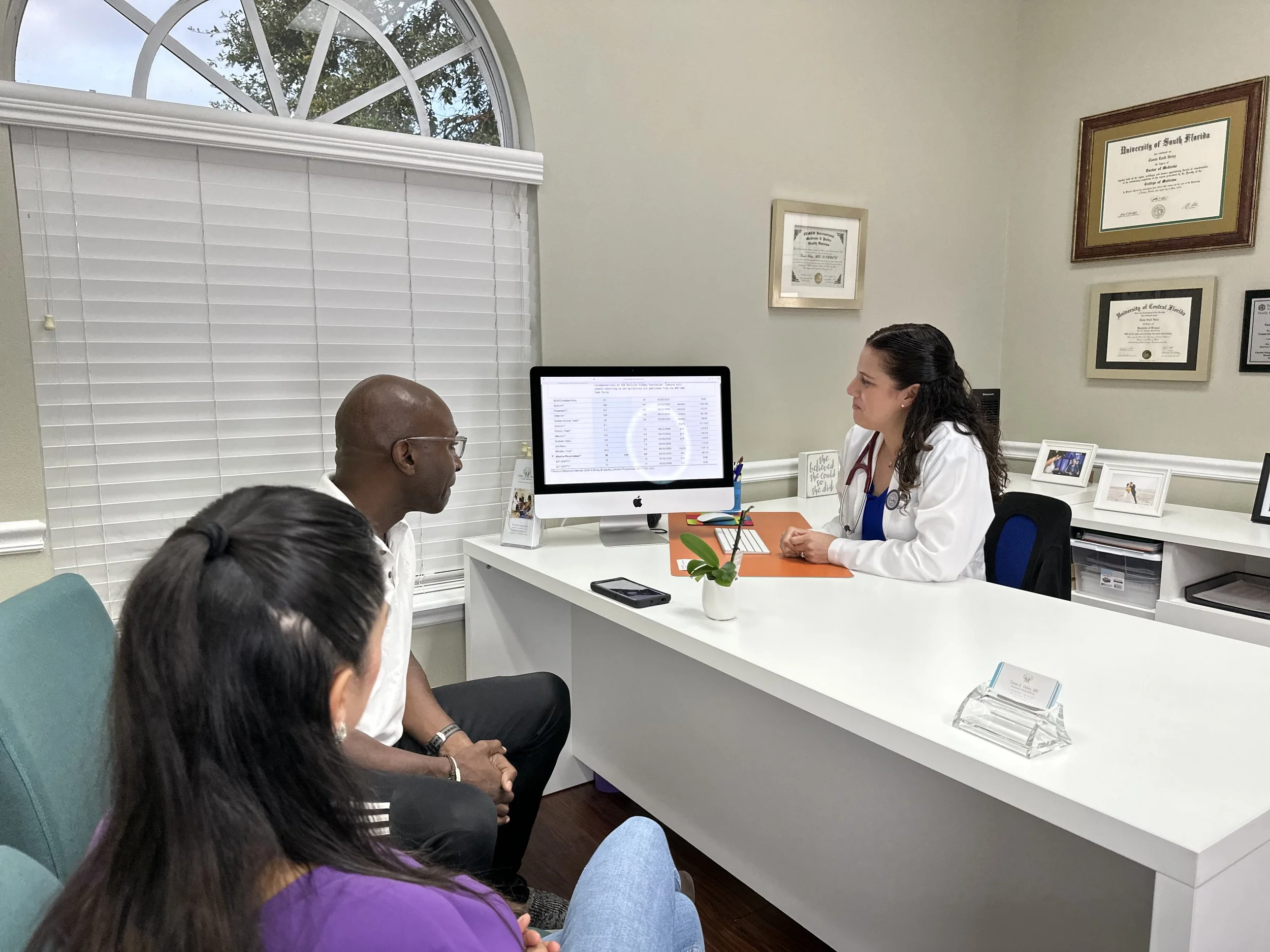
What Do Blood Pressure Numbers Actually Mean?
Blood pressure measures the force of blood against the walls of your arteries.
The top number, called systolic pressure, represents pressure when the heart contracts. The bottom number, called diastolic pressure, represents pressure when the heart relaxes between beats.
According to commonly used American Heart Association categories:
Normal: Below 120/80 mm Hg
Elevated: Systolic 120–129 and diastolic below 80
Stage 1 hypertension: Systolic 130–139 or diastolic 80–89
Stage 2 hypertension: Systolic 140 or higher or diastolic 90 or higher
A single high reading does not always mean someone has chronic hypertension.
Blood pressure changes throughout the day and can be affected by stress, caffeine, physical activity, pain, and other factors.
Repeated measurements, including home monitoring when appropriate, help determine whether blood pressure is consistently elevated.
Why Can High Blood Pressure Be Dangerous Without Symptoms?
When blood pressure remains elevated over time, it places additional strain on the cardiovascular system.
The heart must work against greater pressure, and blood vessels may experience changes that increase the risk of cardiovascular disease.
Uncontrolled hypertension is associated with serious complications, including heart attack, stroke, heart failure, and kidney disease.
These problems may develop gradually.
Waiting until symptoms appear is not a reliable way to determine whether blood pressure requires attention.
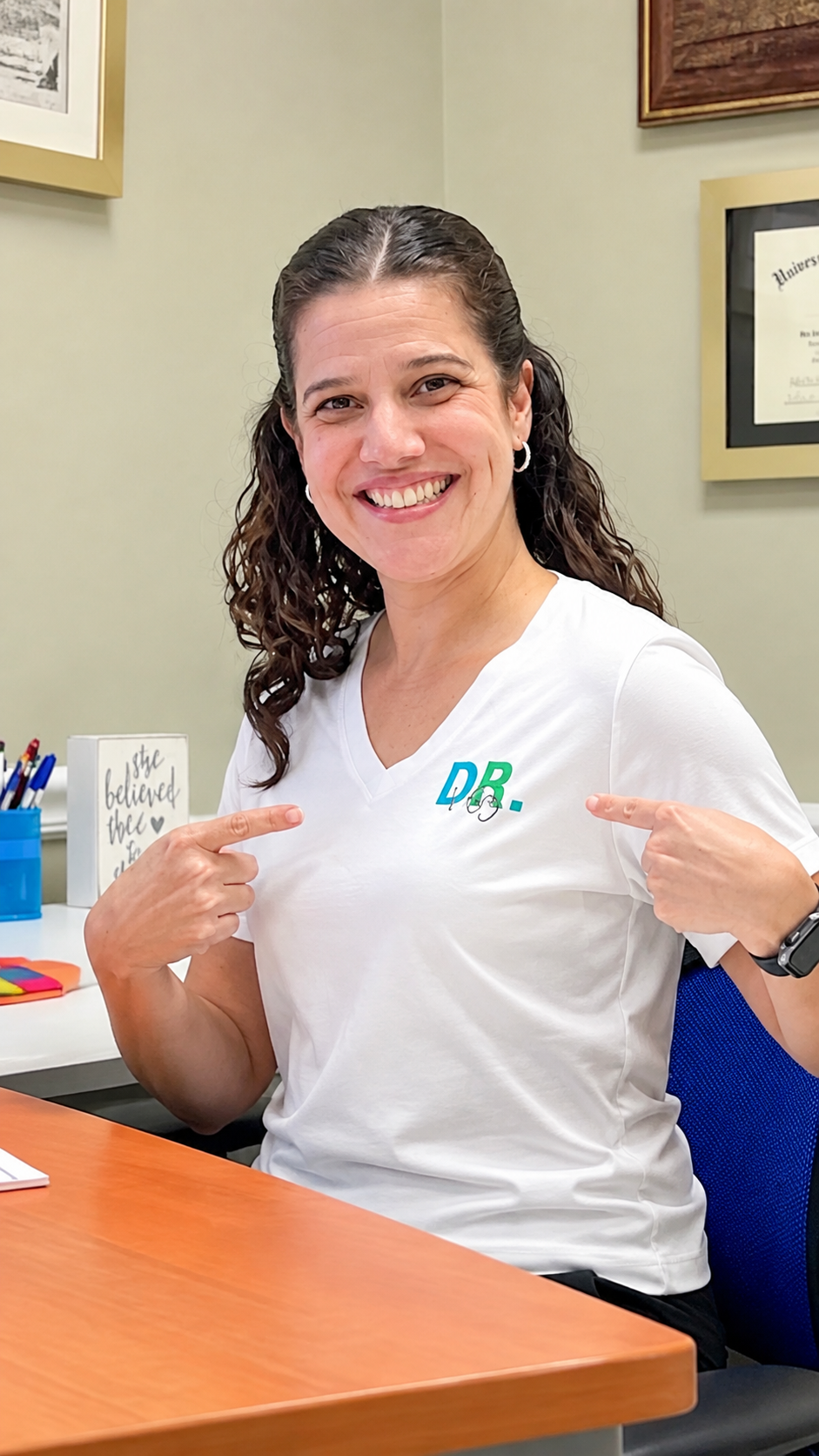
That's why routine screening is important, even for people who exercise regularly, maintain a healthy weight, or otherwise feel well.
What Could Be Contributing to Your Blood Pressure?
High blood pressure can be influenced by several factors.
Family history, aging, excess sodium intake, physical inactivity, alcohol consumption, and certain medical conditions may contribute. Some medications can also raise blood pressure, including certain decongestants and anti-inflammatory medications.
Sleep apnea, kidney disease, and hormonal conditions may be relevant for some patients.
As a Family Medicine and Integrative Medicine physician, I believe blood pressure management should include a review of the patient's broader health.
That means considering medical history, medications, daily habits, and other cardiovascular risk factors. The objective is not simply to lower a number. It's to understand the patient's overall risk and determine an appropriate treatment plan.
Can Lifestyle Changes Make a Meaningful Difference?
Lifestyle modifications play an important role in preventing and managing hypertension.
A balanced eating pattern, such as the DASH diet, can support blood pressure control.
Reducing excess sodium, staying physically active, limiting alcohol, and maintaining a healthy weight when appropriate may also help.
However, not every patient can manage hypertension through lifestyle changes alone. Some require medication because of their blood pressure level, cardiovascular risk, or other health conditions.
The decision should be based on an individualized medical evaluation.
How Direct Primary Care Supports Blood Pressure Management
Managing hypertension often requires more than one appointment.
A patient may need to track readings at home, review medication effects, discuss lifestyle changes, and return for follow-up evaluation.
This is where continuity becomes valuable.
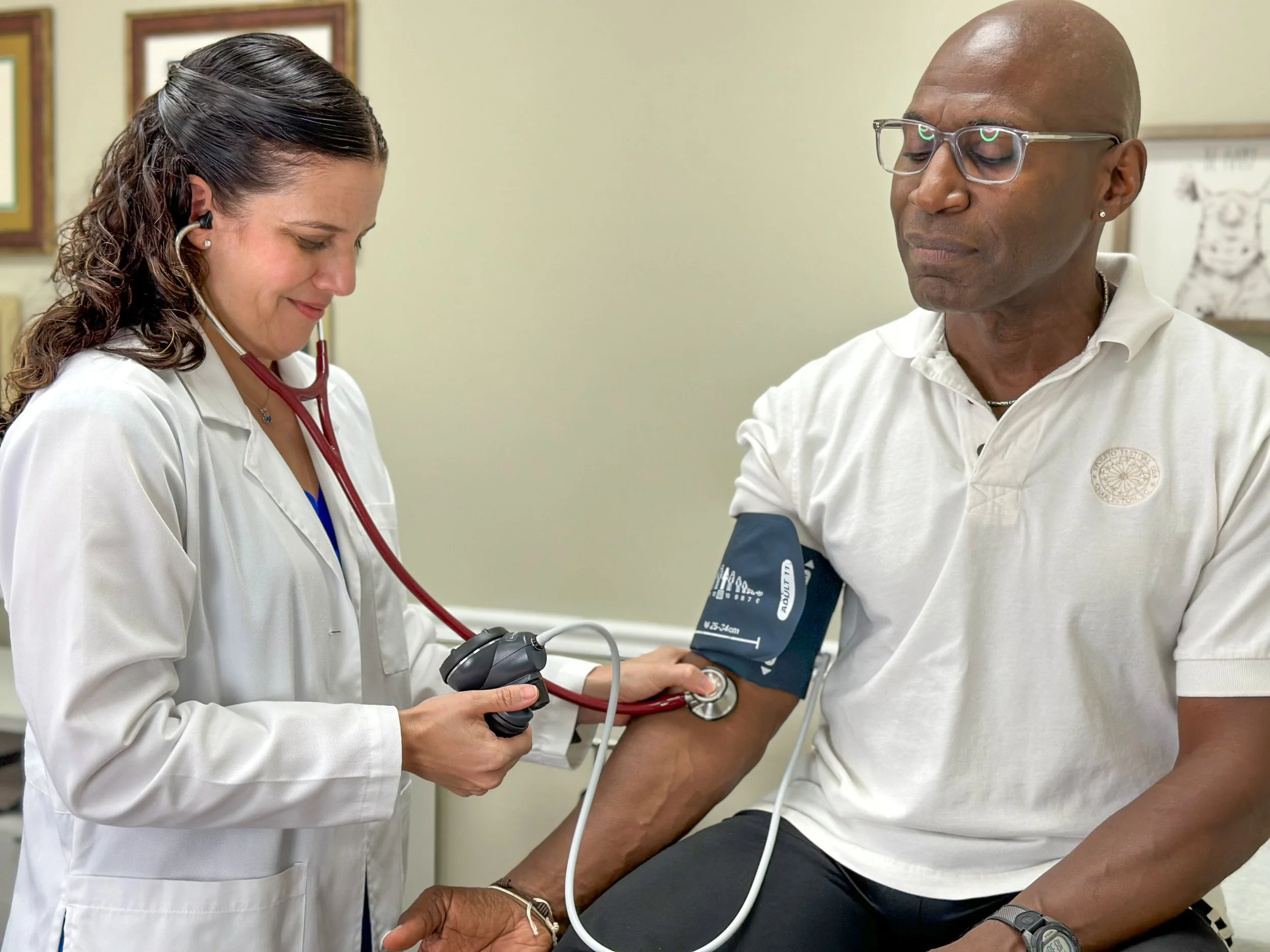
At Velez Family Health, Direct Primary Care allows us to spend more time reviewing blood pressure patterns and discussing treatment decisions.
Patients have direct ways to communicate with me about appropriate non-emergency concerns, including questions about readings or prescribed medications.
Our membership model includes ongoing primary care services, helping patients maintain an established relationship with their physician.
For example, if home readings remain elevated after starting treatment, we can review the pattern and determine whether further evaluation or an adjustment is appropriate.
DPC doesn't replace emergency services or guarantee immediate responses. But it offers a more direct structure for routine monitoring and chronic condition management.
Explore Direct Primary Care at Velez Family Health
When Should Blood Pressure Reading Concern You?
A blood pressure reading above 180 systolic or 120 diastolic is severely elevated.
If you obtain a reading in this range, repeat it after at least one minute. If it remains severely elevated, seek prompt medical guidance.
If it is accompanied by chest pain, shortness of breath, severe headache, weakness, vision changes, or other concerning symptoms, call 911.
For routine hypertension management, follow-up frequency depends on the severity of the readings, treatment plan, and overall health.
Your Blood Pressure Deserves Attention Before Symptoms Appear
High blood pressure is common, but it should never be dismissed simply because it often develops without symptoms.
Knowing your numbers, understanding your risk factors, and following an appropriate management plan can help protect long-term cardiovascular health.
At Velez Family Health, I want patients to understand why their readings matter and feel informed about their treatment options.
If you're managing high blood pressure and looking for ongoing primary care in Orlando, our Direct Primary Care model may offer the continuity and communication you're seeking.
- Dr. Tania Velez
Family Medicine & Integrative Medicine
Velez Family Health | Orlando, Florida
🔗 https://velezfamilyhealth.com/direct-primary-care-orlando-florida
🔗 Schedule Your Immigration Medical Exam: https://velezfamilyhealth.com/immigrationexams