
The Cost of Waiting
Why Waiting Until You're illness Can Make Healthcare Harder
Good healthcare doesn't begin with illness. It begins with understanding your health long before something demands attention.
One of the most common assumptions I hear from patients is, "I didn't think I needed a doctor because I felt fine."
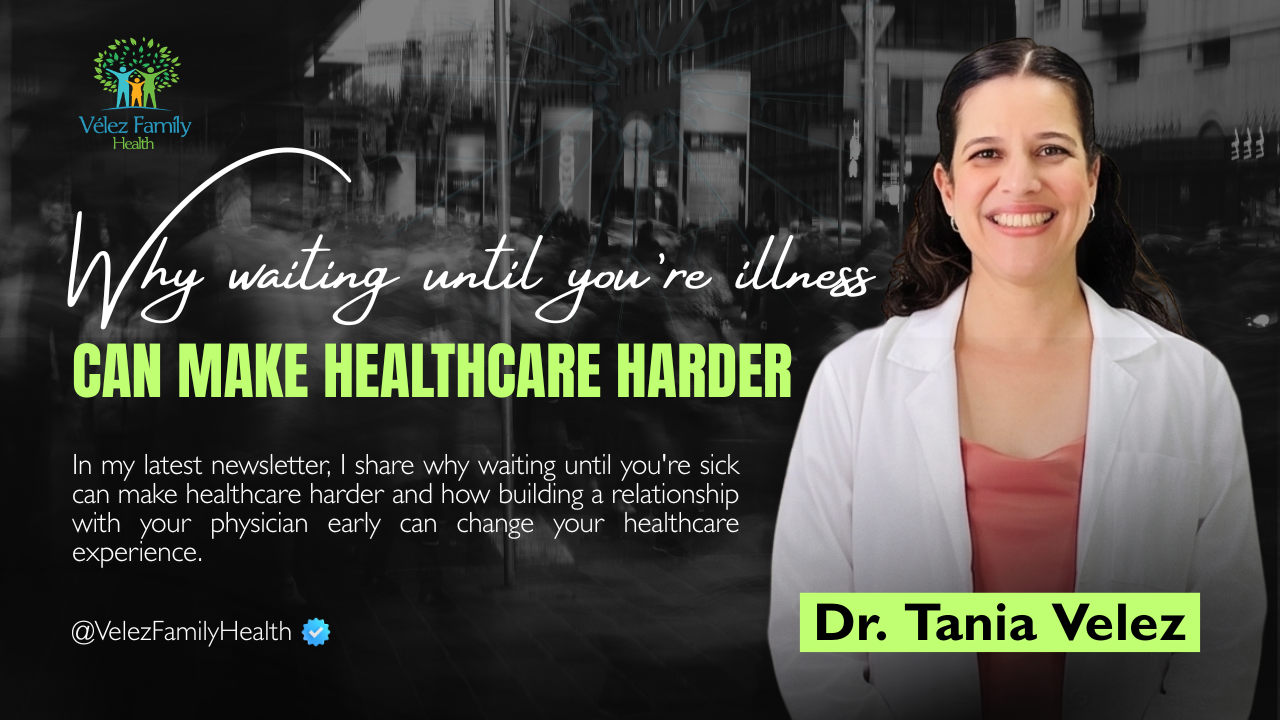
It's an understandable way to think. When life is busy and you're able to work, care for your family, and move through your daily routine without difficulty, scheduling a doctor's appointment rarely feels like a priority. Healthcare becomes something we plan to do later, after the next project, after the next vacation, or when life finally slows down.
The challenge is that many health conditions don't announce themselves early.
High blood pressure can quietly damage blood vessels for years before causing symptoms. Prediabetes may develop gradually without noticeable changes. High cholesterol often goes completely unnoticed until it contributes to a more serious cardiovascular problem. Even persistent fatigue or recurring headaches are sometimes dismissed as part of a busy lifestyle when they may deserve a closer look.
By the time something begins interfering with everyday life, our role as physicians often shifts from preventing disease to managing a condition that has already been developing behind the scenes.
"The goal isn't simply to treat illness. It's to understand your health well enough to recognize change before it becomes a crisis."
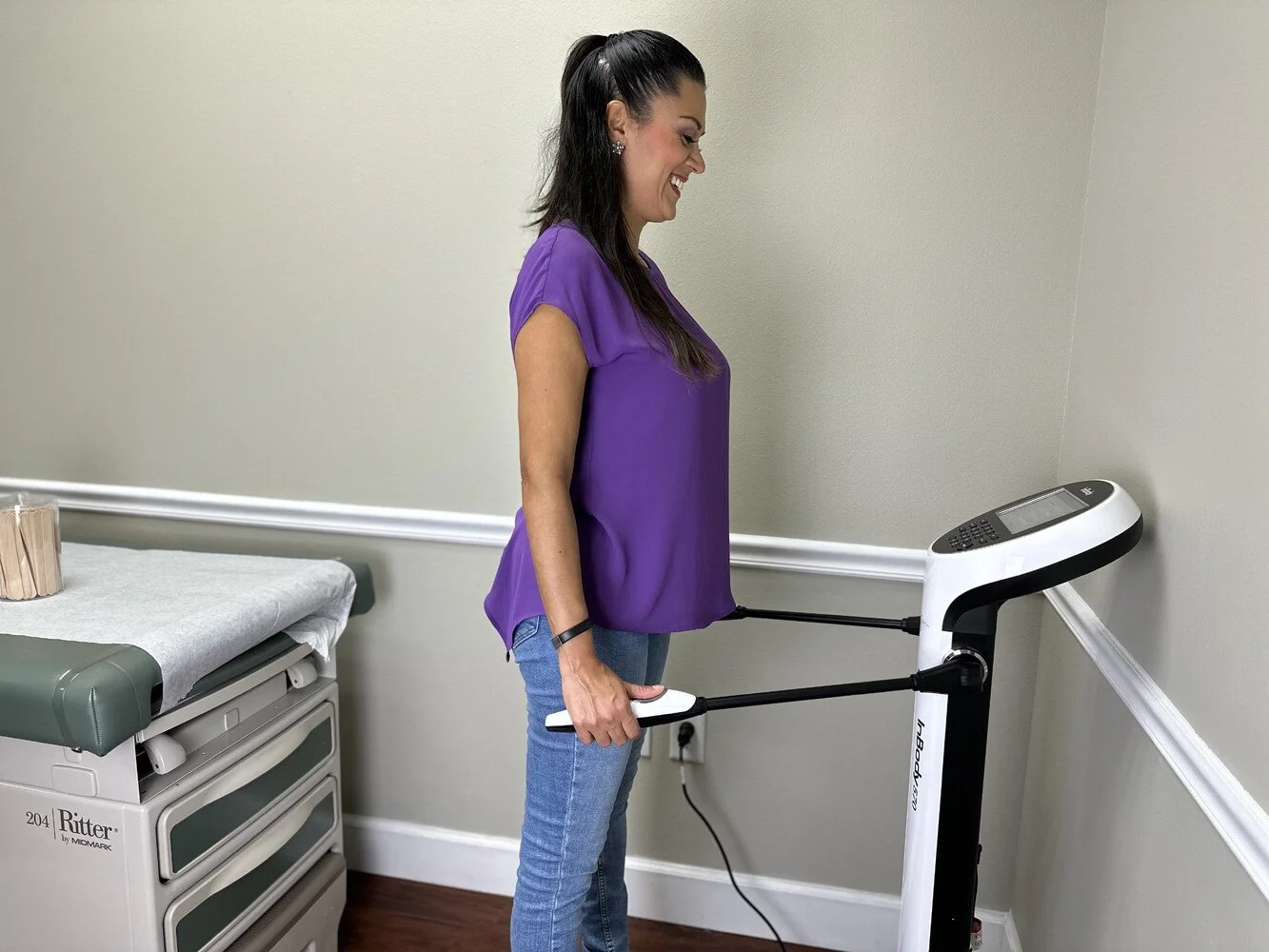
Routine Checkup at Velez Family Health
Building A Health Baseline Before You Need It
One of the greatest advantages of establishing care while you're healthy is that we learn what is normal for you.
Your blood pressure, weight, laboratory values, family history, medications, lifestyle, and personal health goals all become part of a larger picture. That information provides context when something eventually changes.
Without that foundation, every appointment begins with gathering information.
With it, we can recognize subtle patterns that may have unfolded over months or even years.
Healthcare becomes proactive instead of reactive.
Why Continuity Creates Better Care
When physicians follow patients over time, we aren't simply collecting medical records.
We're observing how health evolves through different stages of life.
We remember previous concerns, notice gradual changes, follow up on conversations that began months earlier, and adjust care based on how your life has changed rather than relying on a single snapshot from one visit.
That continuity often leads to more informed decisions because every appointment builds on knowledge that already exists.
Instead of spending valuable time reconstructing your history, we can focus on what matters today and where your health is headed next.
A Different Perspective On Primary Care
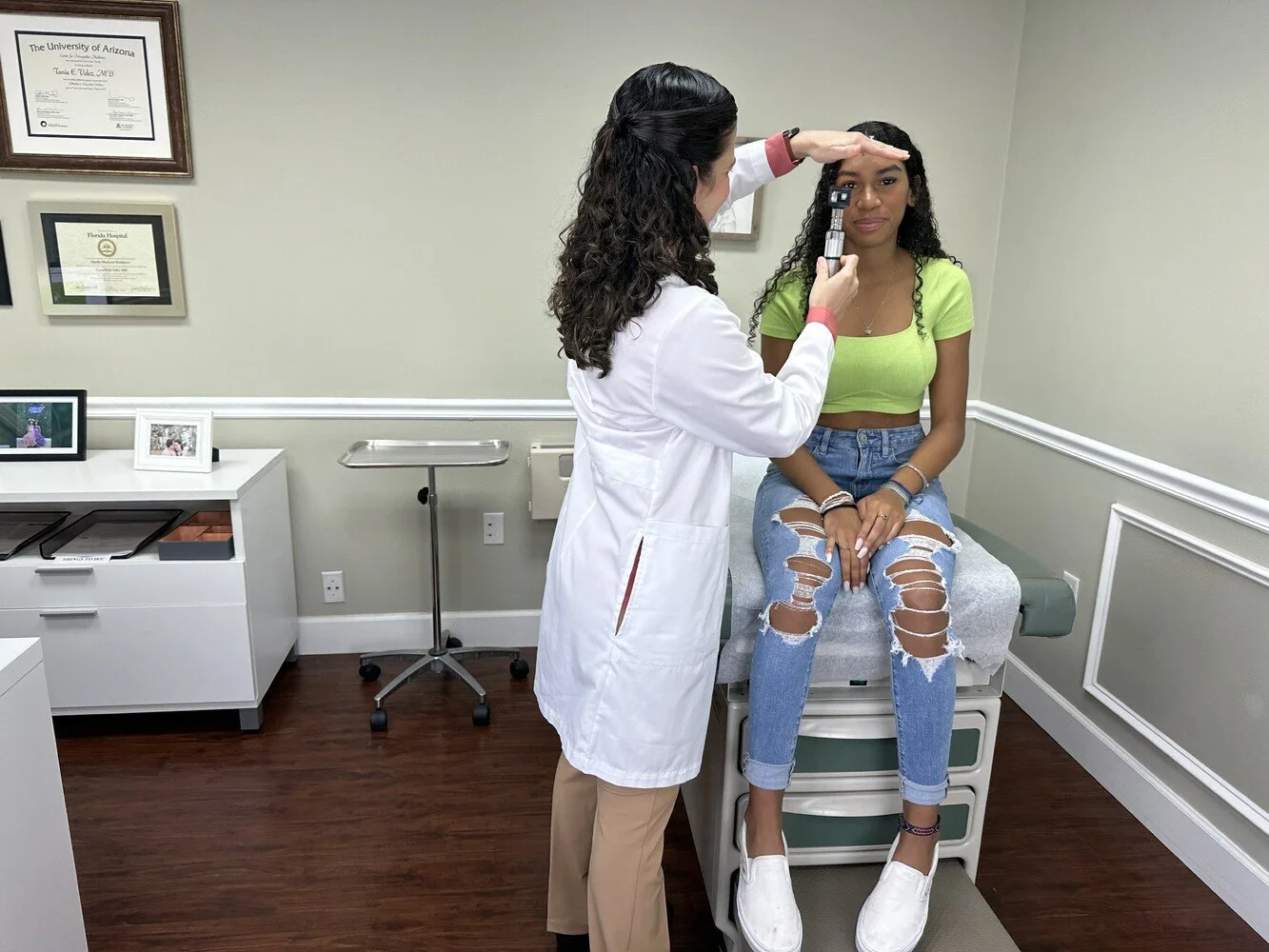
Dr. Tania Velez checking on a patient.
This is one of the reasons Direct Primary Care resonates with so many people.
The model creates space for ongoing care instead of occasional crisis management. Patients have the opportunity to establish a relationship with a physician who understands their medical history, follows their progress, and is available when questions arise, rather than only when an illness becomes urgent.
Over time, healthcare becomes less about isolated appointments and more about long-term partnership.
That shift changes not only how care is delivered, but also how patients experience it.
Consider your own healthcare experience.
If an unexpected health concern developed tomorrow, would your physician already understand your medical history, your goals, and the factors that make your health unique?
Or would your first appointment begin with introducing yourself from the beginning?
Sometimes the most valuable healthcare decision isn't scheduling an appointment because something is wrong.
It's establishing care while everything still feels right.
—
Dr. Tania Velez
Velez Family Health
📍 Orlando, Florida
🔗 Meet-and-Greet: https://velezfamilyhealth.com/direct-primary-care-orlando-florida